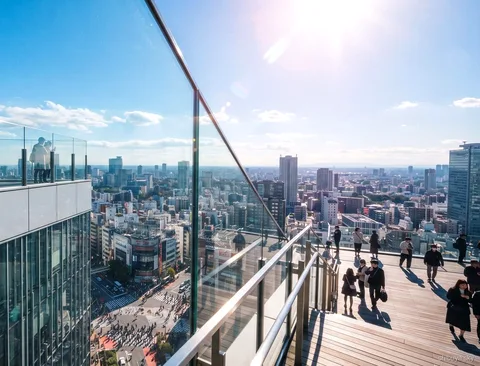
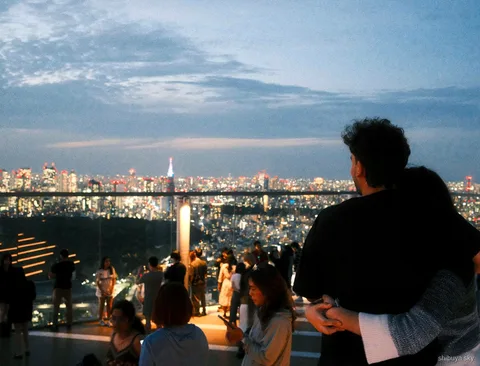
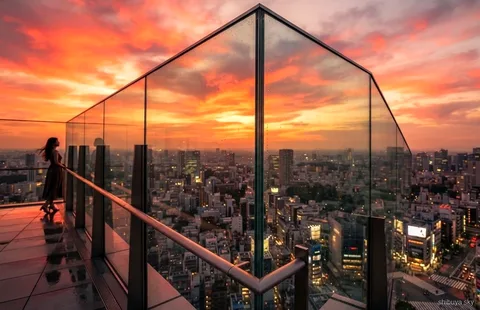
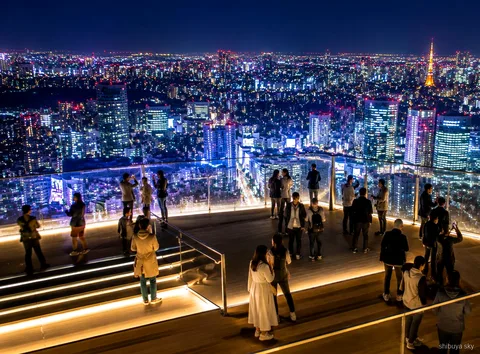
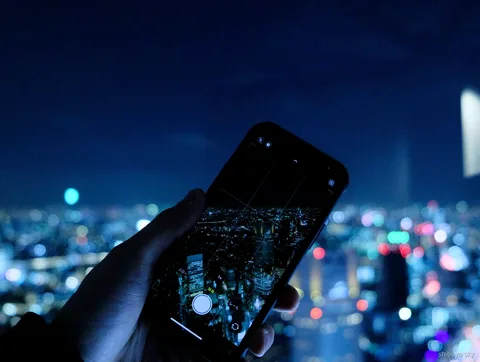
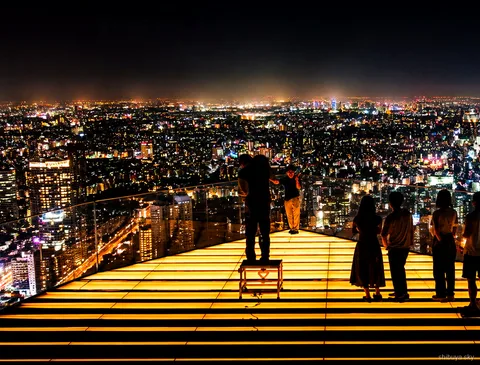
Shibuya Sky is the open-air rooftop deck on top of Shibuya Scramble Square, and it is the best place I know of to see Tokyo laid out around you. I’d treat it as one of the few Tokyo tickets worth planning your day around, because the view changes so much between morning, sunset and night. This page shows you how to choose between the ticket and tour options, when to go, and how to get in without wasting time.
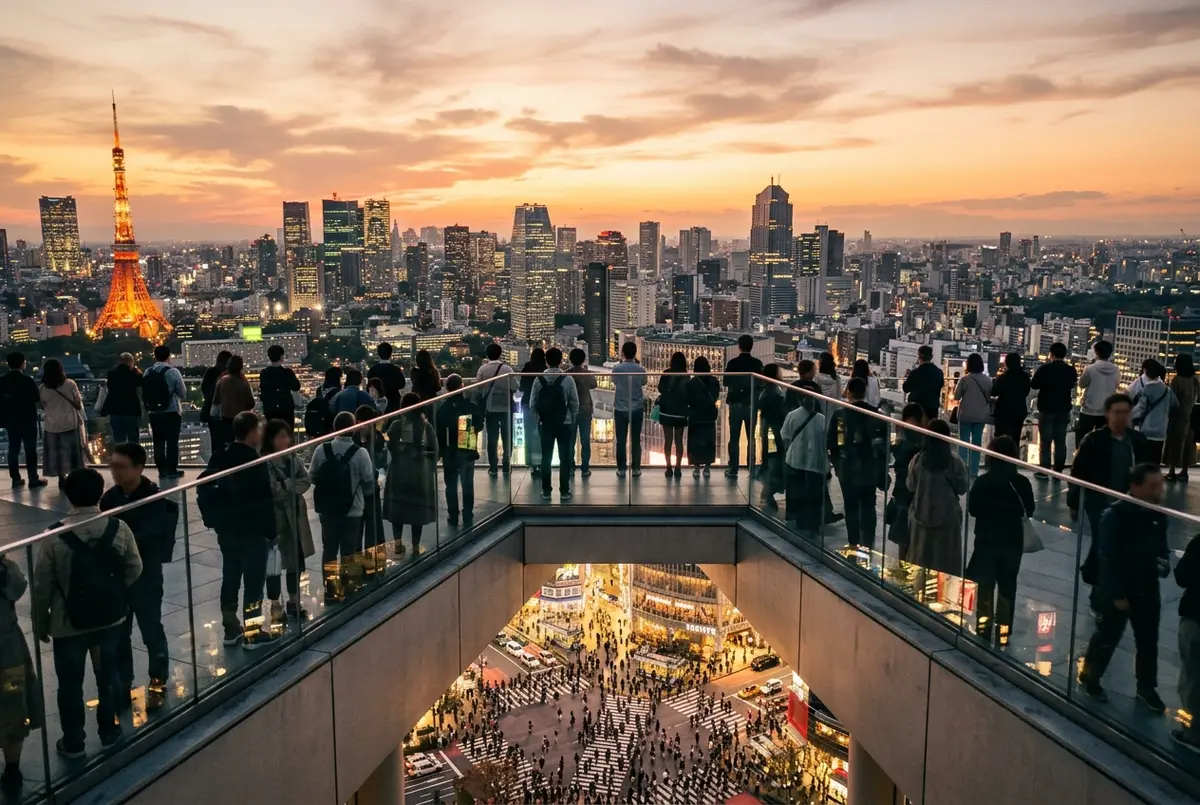
The deck sits about 229 meters above street level. It is open to the sky, so you feel the wind and see the city without glass in the way. You will find the crossing directly below, the Yoyogi and Meiji Shrine greenery to one side, and the towers of Shinjuku on the horizon. The rest of this page follows the questions I would ask if I were booking it for the first time.
What is Shibuya Sky and why visit it?
Shibuya Sky is an observation deck, a viewing platform, and an event space on the roof and top floors of Shibuya Scramble Square, a tower that opened in 2019 above Shibuya Station. Visitors ride a lift up, walk through an indoor gallery, and step out onto an open rooftop with a 360 degree view. The Wikipedia entry on Shibuya Scramble Square covers the building’s history if you want background.
I’d go for three reasons. First, it is open air. Many Tokyo decks are behind glass, which flattens photos and dulls the feeling of height. Second, the location. You look straight down at the Scramble Crossing, which is the image most people have in mind when they think of Tokyo. Third, it is easy. It sits on top of one of the biggest stations in the city, so it slots into almost any itinerary. If your trip is short, I’d put it in the “must do” column.
What are your options for tickets and tours?
There are two ways to book: a plain deck ticket, or a guided tour that bundles the ticket with a walk through the district. The tours compared in the table on this page run from EUR 63 to EUR 255 per person, and the deck ticket is priced separately by the operator. Prices change by date and time, so always confirm the live price before you pay.
Here is how I’d sort the choices. If you want the deck and nothing else, buy the plain ticket, and read the Shibuya Sky tickets guide for slot types and where to buy. If you want context and a guide, pick a tour. The tour group I’d start with is the Shibuya Sky morning tour with ticket, because it is a compact two hours and includes the ticket. It suits most first-timers. If you are booking online for the first time, the step by step Shibuya Sky ticket online page walks through the process.
I’d avoid buying a tour if all you want is a long, quiet hour at the rail. A group has a schedule, and you will leave the deck when the guide does. That is the trade: you gain context and lose flexibility.
Which Shibuya Sky tour should you pick?
Choose by time of day first, then by how much of Tokyo you want to see. The ten tours here fall into three groups: short walking tours that pair the deck with Shibuya, longer culture tours that add a shrine or garden, and night tours that add neon streets. I’d not try to compare on price alone, because the cheapest tour and the most expensive one are built for different people.
For the lowest price, I’d look at the pop culture walking tour with ticket, which starts from EUR 63 per person. For the clearest views, the morning tour above is my pick. For a night skyline plus neon streets, I’d choose the night view tour with ticket or the sunset or night walking tour, which lets you stay on the deck after the group finishes.
If you have a half day, the longer options are good value. The Shibuya Sky, Cat Street and Meiji Shrine walking tour runs about four hours and adds a shrine and street fashion. The Shibuya Sky, depachika and Shinjuku Gyoen tour also runs about four hours and adds a garden and department store food halls. I’d pick the shrine version if you like history and the garden version if you like food.
For evenings, the night tours add neon districts, fashion streets or alleys and history, and the priciest option is a small group yukata photo experience. I’d only book that one if the yukata photos are the point, since you are paying for the extra, not for the deck. Compare them all in the table on this page.
What is the best time to visit Shibuya Sky?
The best time is roughly 30 to 40 minutes before sunset. You see the city in daylight, the sky turns gold, and the lights come on while you are still there. I’d book that slot first and fall back to a morning or night slot if it is full. For the full logic, see the best time to visit Shibuya Sky guide, and the sunset time by month page for the timing.
Sunset in Tokyo moves a lot across the year. It falls around half past four in the winter and closer to seven in the summer, so a slot that is perfect in December is wrong in June. Check the sunset time for your travel date before you choose a slot.
Morning is a different experience. The air is clearer earlier in the day, and that matters for distance. If you want a shot at Mt. Fuji, I’d go in the morning during the cooler months, when the air is driest. If you want the neon, go after dark. If you are unsure, I’d take the sunset slot, since it gives you the most in one visit.
Can you see Mt. Fuji from Shibuya Sky?
Sometimes, yes. On clear days, mostly from late autumn to early spring, Mt. Fuji can show up on the western horizon. It is never guaranteed, and haze in summer often hides it. Our Shibuya Sky Mt. Fuji view page goes into the conditions.
I’d never plan a trip around it. Treat Fuji as a bonus, and choose your slot for the overall view. If you do see it, the morning slot is where it is most likely to be sharp.
How do you book Shibuya Sky and skip the queue?
Book a timed slot online before you go. Entry uses time slots, so a booking with a slot is your way past the ticket desk queue. The deck is popular at sunset and on weekends, so booking a day or more ahead keeps your choice of time open. The Shibuya Sky reservation page explains slot booking, and the walk-in tickets page covers what to expect if you turn up without one.
My advice is simple. If you have fixed dates, book the slot as soon as you know them, then choose a tour or a plain ticket. If your plans are loose, I’d still book, but pick a booking with free cancellation so you can move. Read the cancellation terms first. They differ by operator, and our cancellation and refund guide covers what to check.
Where you buy also matters. The Klook versus official booking page compares the main routes. For current official details, the operator’s own Shibuya Sky page is the source I’d trust for hours and rules.
How do you get to Shibuya Sky?
Shibuya Sky is inside Shibuya Scramble Square, which connects directly to Shibuya Station. If you arrive by train or subway, follow the signs to the Scramble Square tower, then to the observation deck entrance. You do not need to go outside. The how to get to Shibuya Sky page has the route from the main lines.
The one thing I’d warn you about is the station itself. Shibuya Station is a maze of levels, and it is easy to lose ten minutes. Give yourself extra time on your first visit, and arrive at least 15 minutes before your slot. If you have a tour, the meeting point is often the Hachiko statue outside the station, which is easy to find and a good landmark.
What should you expect when you get there?
Expect a smooth, well organised visit. You check in, ride the lift, walk through an indoor gallery, and reach the open-air deck. There are viewing areas at different levels, a rooftop with a wide open view, and glass edges for photos. The what to expect at Shibuya Sky page walks through the visit in order.
Plan on 60 to 90 minutes. If you come for sunset and stay into the evening, allow closer to two hours. I’d not rush it. The best moments are the ten minutes after sunset, when the sky and the city lights overlap.
Bags and loose items matter on an open deck. Read the lockers and rules page before you go, since some items may need to be stored. I’d travel light, and bring a phone strap or wrist loop. It gets breezy up there even on a warm day.
Is Shibuya Sky worth it?
For most visitors, yes. It gives a high, open-air, unblocked view of the city and the crossing, and it is easy to reach. My view is that it is best value for first-time visitors, photographers and couples, and less useful for people who have already done several Tokyo viewpoints and only want a cheap look. The is Shibuya Sky worth it page is the longer version of the answer.
Who would I steer away from it? Anyone very short on budget who can be happy with a free view, and anyone who dislikes heights. If you are travelling with children, the Shibuya Sky with kids guide covers what to think about.
How does Shibuya Sky compare with other Tokyo viewpoints?
Shibuya Sky is the best pick for an open-air rooftop and the crossing view. Tokyo Skytree is taller, and it wins on sheer height and on views of the eastern side of the city. Tokyo Tower has the classic look. The free Metropolitan Government Building has a lower, glass-enclosed view at no cost. Our Shibuya Sky vs Tokyo Skytree guide compares them in detail, and best observation decks in Tokyo ranks the main ones.
If I had only one evening, I’d choose Shibuya Sky. If I had two, I’d add a second deck on a different day, so I saw the city from a different side. I’d pick Tokyo Skytree for that. You can also read a direct comparison with Tokyo Tower and the Metropolitan Government Building if those are on your list.
What is there to do near Shibuya Sky?
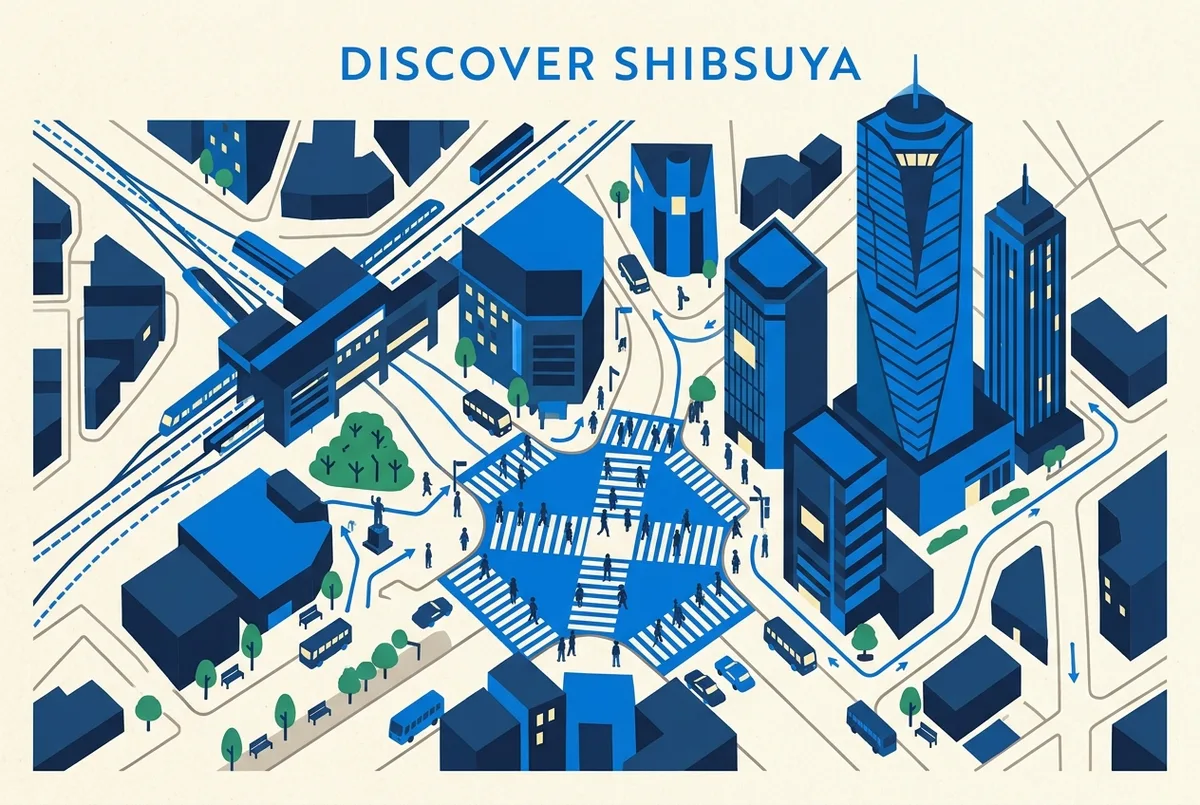
Plenty, and that is one reason the guided tours work. The Scramble Crossing is right below, and the Hachiko statue, Center Gai and Miyashita Park are all within a short walk. Our Shibuya crossing view guide is the hub for the area, and things to do near Shibuya Sky lists the best nearby stops.
If you have a day, the Shibuya one day itinerary puts the deck, the crossing and food into one route. If you would rather see the crossing for free, the best free places to see Shibuya Crossing page shows you where. And if you are not sure the district counts as Tokyo at all, the answer is yes, and the is Shibuya in Tokyo page explains where it sits. For city context, the Japan National Tourism Organization is a reliable general source.
What are my insider tips for Shibuya Sky?
I have a short list of things I’d do, based on how the deck works rather than on any one visit.
- Book the slot first, the tour second. The slot decides your view, and it is the thing that sells out.
- Arrive at the start of your slot, not the end. You have a fixed entry window, and the best photo spots fill fast.
- Go to the roof first. The open-air area is the main event. Do the indoor gallery after.
- Take photos in the first ten minutes at sunset. After that, everyone crowds the rail. I’d shoot early and enjoy the rest.
- Check the forecast the night before. A clear evening is worth much more than a cloudy one, and it is easy to move a flexible booking.
- Travel light. Fewer things to store, and fewer things to drop.
For photo ideas, the Shibuya Sky photos guide covers angles and settings. If you are visiting in winter, the Christmas and New Year page covers busy holiday dates.
Which visitors is Shibuya Sky right for?
It suits first-timers who want an easy, high-impact Tokyo stop. It suits couples looking for a sunset. It suits photographers who want an open view. And it suits anyone who wants to see how large the city is. I’d not rate it as a fit for people who want a full cultural day. For that, pick one of the longer tours, which add a shrine or garden.
If you are travelling with a group and want the smoothest plan, I’d choose a tour, because it takes care of the meeting point and the timing. If you are solo and flexible, a plain ticket with a sunset slot is enough. In both cases, I’d read the Shibuya Sky observation deck guide first. It is the hub for everything about the visit itself.
Which Shibuya Sky option would I book?
If I had to choose one thing, I’d book the morning tour if I wanted clear air and a simple plan, and the sunset walking tour if I wanted the classic view. The morning tour is the safer default, since the timing is fixed and the price is moderate. The sunset tour is the better view but relies more on the weather. I’d pick based on your travel date and how much you care about the light.
If your budget is tight, the lowest priced tour is a strong choice, and it still includes the deck. If you have a full day, I’d take one of the four hour culture tours. And if you already know Tokyo well and only want the view, I’d buy the plain ticket, pick a sunset slot, and spend the money you save on dinner. Whatever you choose, check the live price and cancellation terms on the booking page, and read the tickets hub if you want the full picture before you pay.